
Why automation suits North Dartmouth houses
Window covering automation lets your shades follow the day on their own: down before the sun hits, up in the morning, closed at night, without anyone walking from window to window.
Around North Dartmouth, the reasons to want it are written into the houses. In South Dartmouth, rooms that face Apponagansett Bay take hard afternoon glare off the water, which arrives at much the same time each day and is exactly what a schedule is good at. On the mid-century ranches off Faunce Corner Road, a living room might have a long picture window and a slider that are tedious to adjust one by one. The older colonials and capes near Padanaram have more windows than you might think, many of them in rooms used for only part of the day. And the deep sash on the Russells Mills farm properties can make a shade awkward to reach behind a sill or a piece of furniture.
What automation can do
Schedules
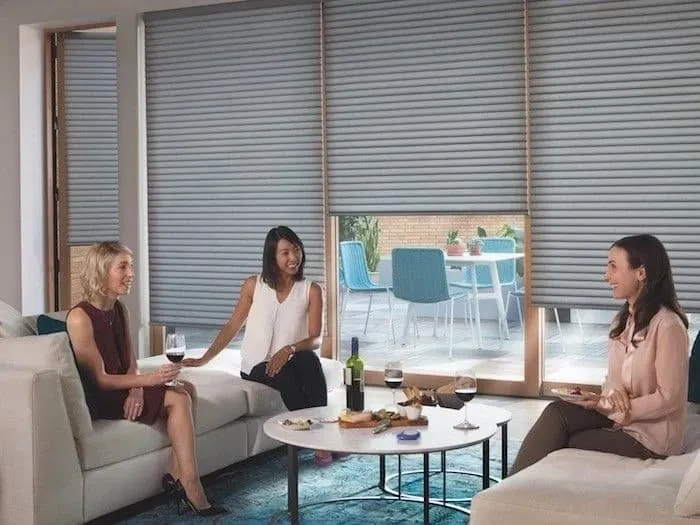
Set shades to lower before the afternoon sun comes round and lift again when it has passed, every day without thinking about it.
Scenes
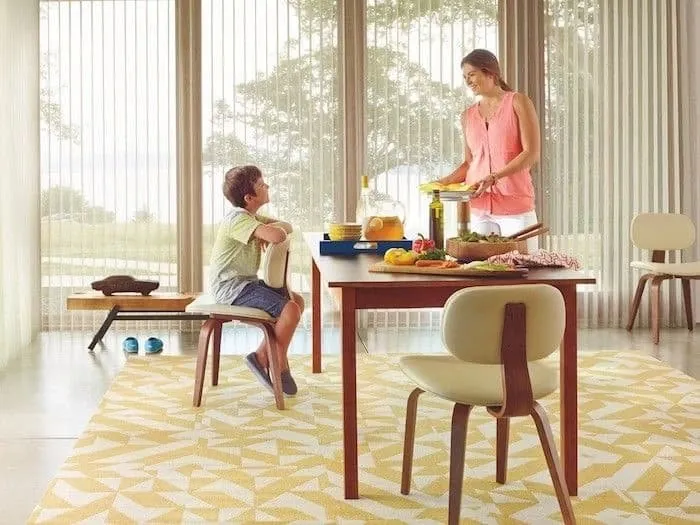
Group several shades into one setting, such as morning, movie night or bedtime, and move them all together.
App and remote
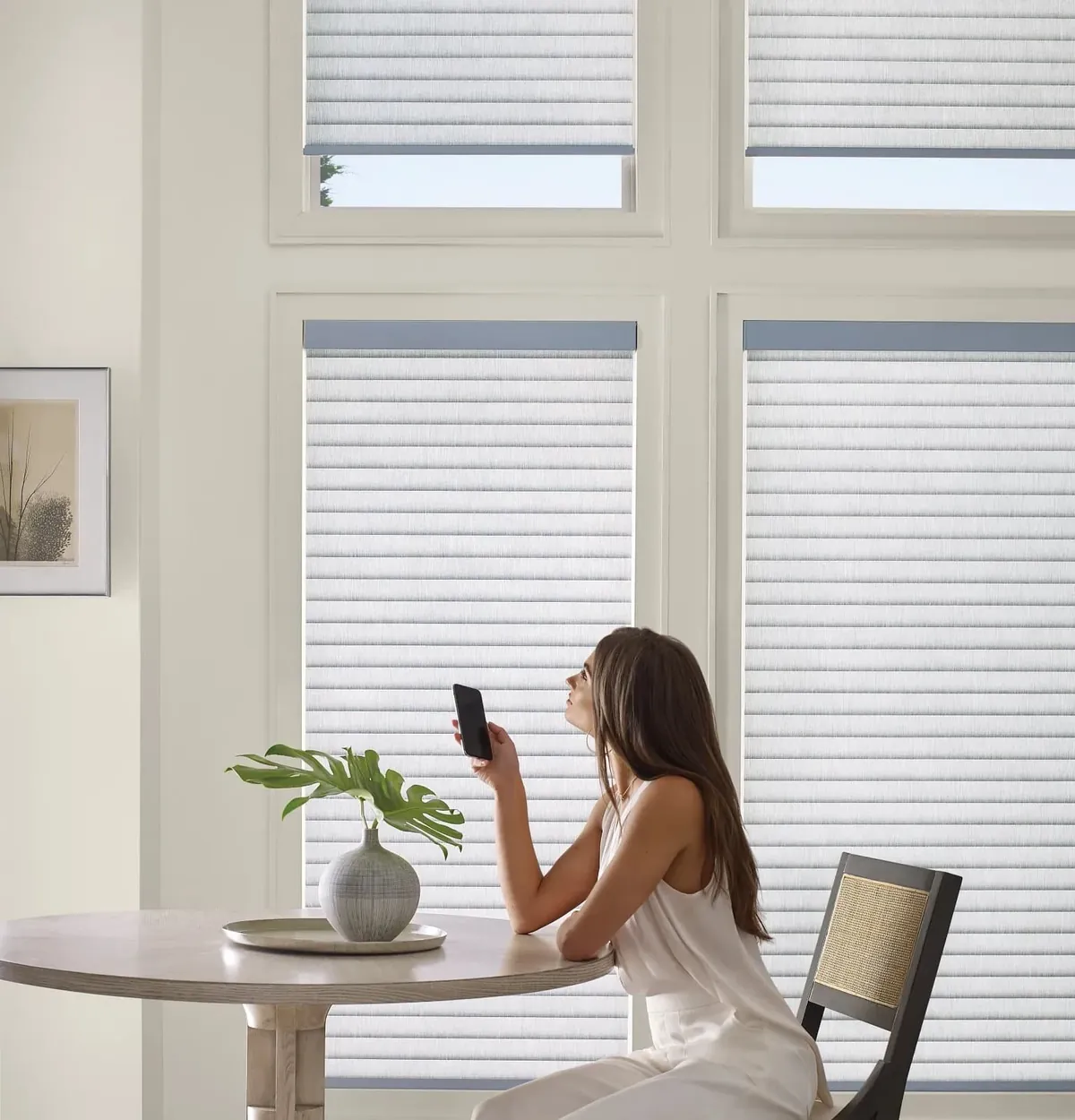
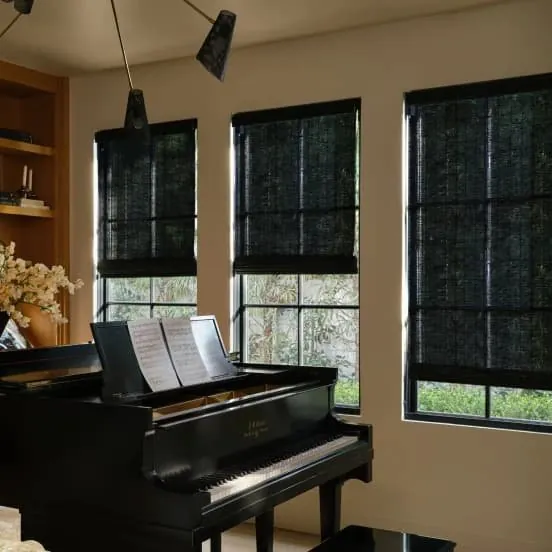
Adjust a single shade or a whole room from the PowerView app on your phone, or from a remote kept in the room.
How PowerView automation works
PowerView is Hunter Douglas’s system for motorized shades. Each motorized shade can be controlled on its own or grouped with others, and the system lets you set schedules and scenes so shades move at set times or at a single tap.
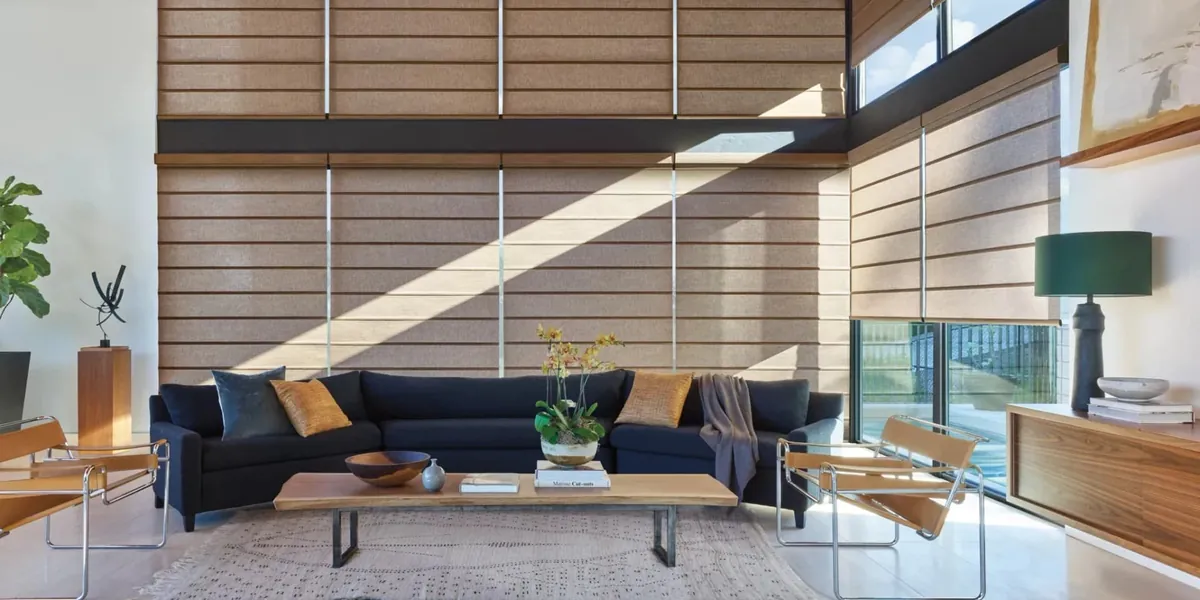
The useful part is the planning. A bay-facing living room might lower its screen shades in the late afternoon and raise them after sunset. Bedrooms might stay closed until a set time in the morning and close again at dusk. A home office might tilt sheer shades to cut glare on a screen during working hours. Once those patterns are set, the house looks after itself.
Planning automation for your house
Window covering automation works best when it is planned with the rooms, not added as an afterthought. We look at it during the consultation, room by room:
- We note which way each room faces and when the sun becomes a problem.
- We talk through how each room is used, and when you want privacy or light.
- We suggest which windows benefit most, such as tall glass, hard-to-reach windows and rooms with strong afternoon sun.
- We recommend groupings for scenes, so shades that should move together are set up together.
- You receive a free estimate covering the products and installation.
Which shades can be automated
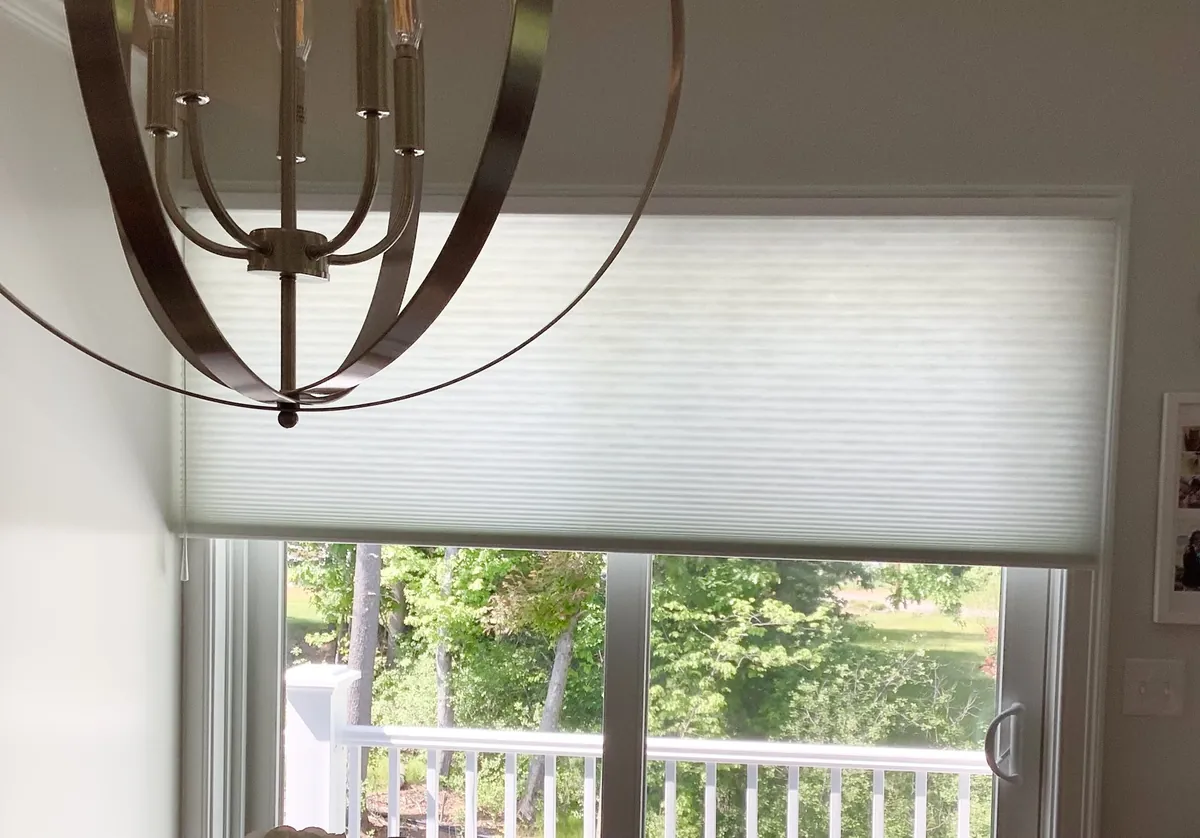
Many Hunter Douglas lines can be ordered with PowerView, including honeycomb, roller, sheer and Roman shades, so automation does not limit the look you choose. On the colonials and capes near Padanaram, inside-mounted honeycomb or Roman shades keep a slim profile with a motor tucked into the headrail. On a ranch, a run of roller or sheer shades across the picture window can be set to move as one. For the bay-facing rooms, screen shades on a schedule handle the glare. For more on the products themselves, see motorized blinds and shades, and for how the controls work, our guide to how motorized shades are controlled.

Through the seasons
The sun sits differently in a South Coast winter than in summer, so the hours that matter move through the year. Window covering automation makes it easy to adjust: in summer, honeycomb shades can close against the hottest part of the day, and in winter they can open to let low sun warm a room, then close at dusk to hold the heat in. A few changes to a schedule each season is all it takes.
Fitted and set up by certified installers
Automation depends on good installation. Shades have to be mounted level and set to stop exactly where they should, and each one has to be paired and tested so schedules and scenes run as planned. Our installation is certified by Hunter Douglas, and we set up and test your window covering automation before we leave, then show you how to change schedules and scenes yourself.
Automation from a Hunter Douglas Gallery dealer
As a Gallery dealer, we work with the full Hunter Douglas range, so automation can be added to the shade that suits each window rather than the other way round.
In-home consultations come with sample vans, estimates are free, and if something stops behaving later, we look after repairs too. See all our services.
Window covering automation questions
What is the difference between motorized and automated shades?
A motorized shade moves at the press of a button. Automation adds schedules and scenes, so shades can move on their own at set times or in groups.
Can I still control shades by hand?
Yes. You can adjust a single shade or a group from the app or a remote whenever you like, and schedules carry on afterwards.
Which rooms benefit most?
Rooms with strong afternoon sun, such as those facing the bay, tall or hard-to-reach windows, and bedrooms you want dark in the morning.
Can I change schedules myself?
Yes. We show you how to adjust schedules and scenes in the app once everything is installed.
Does automation work with every Hunter Douglas product?
Many Hunter Douglas lines can be ordered with PowerView. We will tell you which options suit the windows and products you are considering.
Is the estimate free?
Yes. Estimates are free, and we cover automation in the same estimate as the shades.
Plan your automation
Request a consultation and we will look at your rooms and how the sun moves through them, or call the North Dartmouth showroom using the call button.